



1. Business Overview
Every property management company reaches a stage where growth becomes more complicated than simply adding more listings.
For this UK-based property management business, demand wasn’t the problem. They already managed a strong portfolio of serviced apartments, short-term rentals, and long-term properties across multiple locations. The challenge was turning that demand into profitable, sustainable growth.
While booking platforms continued to generate reservations, they also dictated visibility, customer relationships, and a significant share of revenue through commission fees. The business was growing, but it wasn’t building independence.
The objective became clear: create a digital ecosystem capable of generating direct enquiries, increasing profitability, and reducing long-term reliance on third-party marketplaces.
At the beginning of the engagement, the company’s digital presence lacked depth, structure, and strategic alignment. The website functioned more like a static brochure rather than a conversion-driven platform. Most of the bookings were routed through aggregators online which, although effective for visibility, significantly reduced profit margins due to high commission fees. This created a clear dependency problem: the business was growing, but not sustainably.
2. Early Growth and Emerging Limitations
In its early phase, growth was driven by convenience channels:
-
Aggregator platforms ensured visibility
-
Paid ads delivered immediate traffic
-
Referrals built initial trustHowever, over time, structural limitations emerged:
-
Increasing cost per acquisition (CPA)
-
Reduced profit margins due to commissions
-
Lack of brand recall and direct bookings
The business reached a stage where scaling further through the same channels would only increase costs, not profitability.
3. The Core Problems
Why Growth Started Slowing Down
Every additional booking increasingly depended on paid advertising or third-party platforms, making customer acquisition less profitable over time. Although website traffic remained healthy, very little of that attention translated into direct reservations. The business was experiencing four operational challenges that quietly limited long-term growth.
3.1 Lead – Conversion Gap
One of the most critical issues identified was the disconnect between traffic and actual bookings. The website was generating a reasonable volume of visitors, but very few of them progressed through the funnel to become paying customers. This indicated that the problem was not visibility alone, but conversion efficiency.
Key Observations:
-
High interest but low intent conversion
-
Users abandoning at inquiry stage
-
Weak CTA structure
3.2 Lack of Trust and Credibility
Booking Confidence Was Missing
Choosing accommodation is rarely an impulsive decision. Before making a reservation, guests naturally look for signals that reduce uncertainty. Reviews, professional photography, detailed property information, cancellation policies, and transparent communication all contribute to that confidence. Although the client managed high-quality properties, the website did little to communicate that standard.
As a result, the digital experience failed to reflect the quality guests would actually receive.
3.3 Limited Local Visibility
The business struggled to appear in local search results, which are crucial in the property sector where users often search with strong location intent. Keywords such as “serviced apartments in [city]” or “short-term rentals near me” were not ranking on the first page, resulting in missed opportunities for high-intent traffic.
This lack of visibility meant that the business was largely invisible to users actively searching for accommodation in its operating areas.
3.4 Unstructured Customer Journey
-
The overall user experience was fragmented and lacked consistency
-
The website did not have a logical flow for users to follow
-
Navigation between property listings was unclear and confusing
-
Property offerings were not presented in an easily understandable way
-
Calls-to-action were either missing or poorly positioned
-
The booking process involved unnecessary steps
-
Increased friction in the journey led to higher drop-offs before completion
4. Key Factors Driving Property Business Growth
4.1 How Property Businesses Actually Grow
Growth in the property management sector is not purely driven by traffic volume. Instead, it is influenced by a combination of discoverability, trust, and seamless user experience. Users typically follow a structured decision-making journey:
-
Discovering options
-
Comparing properties
-
Evaluating trust signals
-
Finally, making a booking.
Any disruption in this flow directly impacts revenue.
4.2 The Gap Between Traffic and Bookings
A deeper analysis of user behaviour revealed significant drop-offs across the funnel:
This highlighted a critical insight: while awareness existed, intent was not being effectively converted into action.
4.3 Why Local Search Plays a Huge Role
-
Location-based queries have 2-3x higher conversion rates
-
Map visibility directly influences bookings
-
High-intent users rely on local results
Therefore, local search plays a pivotal role in property discovery.
5. Areas for Improvement Opportunities
5.1 Leveraging Seasonal Demand More Effectively
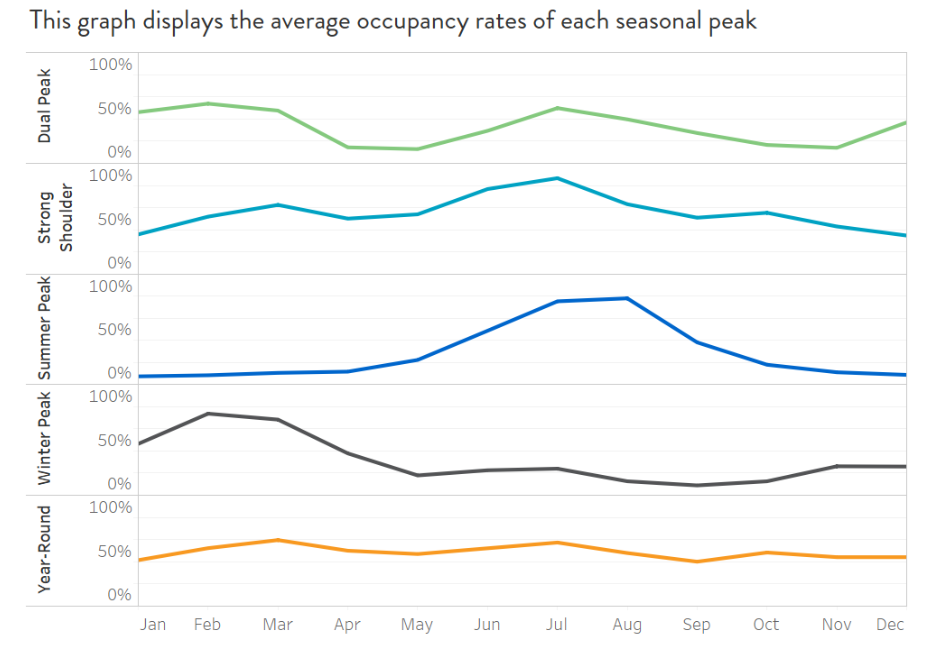
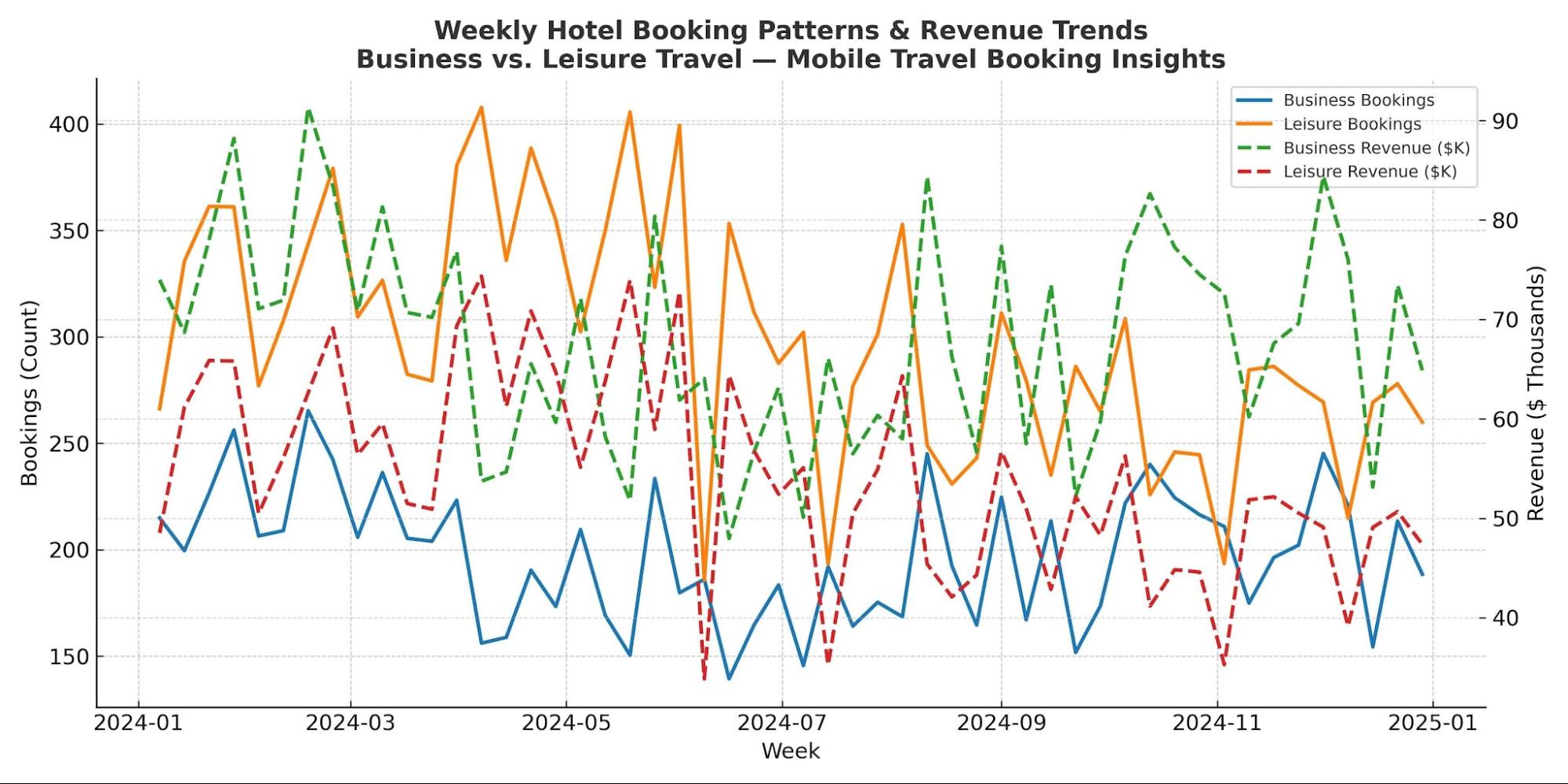
The business was not capitalizing on seasonal demand patterns. High-demand periods such as holidays and summer months were not supported by targeted campaigns or optimised landing pages. This resulted in missed revenue opportunities during peak seasons.
5.2 Enhancing Existing Assets
Instead of building new systems from scratch, significant value was identified in optimising existing assets.
These include:
-
Property pages
-
Blog content
-
Landing pages
Each of these assets had strong potential to perform better with improved structure, enhanced content depth, and better SEO alignment similar to how a digital marketing agency for property management enhances performance without rebuilding from scratch.
5.3 Better Marketing Coordination
Marketing efforts were operating in teams, with SEO, paid advertising, and content marketing lacking integration. This resulted in inconsistent messaging, fragmented user journeys, and inefficient resource utilisation This also highlighted the absence of a proper approach that could unify execution across channels.
6. Strategy Overview
6.1 Improving Search Visibility
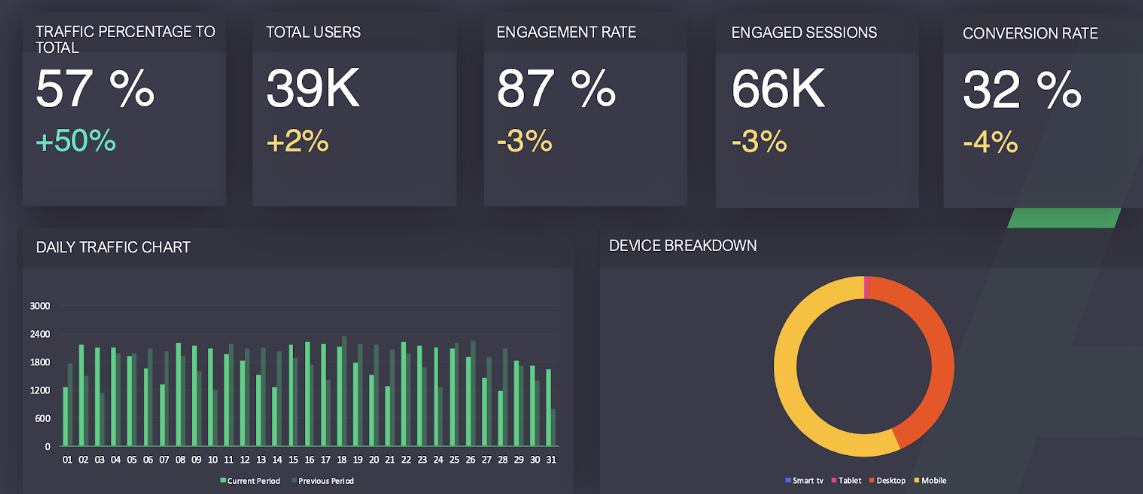
The strategy focused on capturing high-intent traffic through targeted keyword optimisation and technical SEO improvements. Emphasis was placed on aligning content with user search intent, particularly for location-based queries, to improve visibility and relevance in search results.
To strengthen this approach, you need to hire marketing agency for property management and location-specific pages were developed to reflect how users search for properties in different areas, ensuring better discoverability for geographically relevant queries. Additionally, existing pages were refined to improve indexing, crawlability, and overall search performance.
Focus Areas
-
Targeted Keyword Optimisation
-
Technical SEO Enhancements
-
Location-Specific Page creation
-
Search Intent Alignment
-
On-Page Optimisation
6.2 Strengthening Local Presence
Local SEO initiatives were implemented to improve the brand’s visibility in location-based searches and enhance its presence across local digital touchpoints. The focus was on ensuring the business appeared prominently when users searched for relevant services within specific geographic areas.
Key Initiatives
Google Business Profile Optimisation
-
Updated business information (NAP consistency)
-
Added high-quality images and service details
-
Regular posting and review management to improve engagement
Local Citations
-
Built and standardised listings across relevant local directories
-
Ensured consistency of business details across platforms
Improved local authority and trust signals
-
Map Visibility & Local Rankings
-
Optimised for Google Maps rankings through keyword and location targeting
Improved proximity and relevance signals
-
Location-Based Keyword Targeting
-
Integrated geo-specific keywords into content and landing pages
-
Aligned pages with user search intent for local queries
6.3 Building Trust Through Content
Content was strategically redesigned to emphasise credibility and strengthen user trust across all key touchpoints. The focus shifted from basic information delivery to confidence-driven communication, ensuring users felt informed and reassured before taking action.
Key Enhancements Implemented
-
High-Quality Visual Assets
-
Detailed & Structured Descriptions
-
Customer Testimonials & Social Proof
-
Trust Signals & Transparency Elements
-
Consistency Across Content
6.4 Improving Website Experience
The website was restructured to create a seamless and intuitive user journey, ensuring that visitors could navigate efficiently from discovery to conversion. Key improvements focused on usability, performance, and conversion optimization.
Key Improvements
Navigation Simplification
Streamlined menu structure and internal linking to help users easily find relevant property listings and information.
Page Speed Optimization
Reduced loading times through image optimization, code minimization, and improved server response, enhancing overall user experience.
Clear Calls-to-Action (CTAs)
Introduced prominent and strategically placed CTAs across key touchpoints to guide users toward enquiries and bookings.
Mobile Responsiveness
Optimized the website for mobile devices to ensure a consistent experience across all screen sizes.
Improved Page Structure
Enhanced layout and content hierarchy to make information more accessible and scannable.
User Journey Alignment
Ensured a logical flow from landing pages to conversion points, reducing friction and drop-offs.
7. Execution Approach
Execution was deliberately phased to minimise disruption and maximise efficiency.
Core approach included:
-
Gradual implementation instead of drastic redesign
-
Continuous testing and iteration
-
Prioritising high-impact fixes first
This ensured measurable improvements without affecting ongoing business operations.
8. What Changed
8.1 Better Lead Quality
Insight:
While total lead volume experienced a slight decline, there was a substantial improvement in lead quality. The increase in qualified leads indicates more targeted acquisition, resulting in a stronger pipeline with higher conversion potential.
Key Impact:
-
Reduced low-intent or irrelevant enquiries
-
Improved efficiency in sales follow-ups
-
Higher likelihood of lead-to-customer conversion
8.2 Improved Conversions
Insight:
Conversion metrics showed significant improvement, reflecting enhanced funnel efficiency and better alignment between user intent and on-site experience.
Key Impact:
-
More visitors converting into leads and bookings
-
Improved effectiveness of landing pages and CTAs
-
Stronger return on marketing efforts
8.3 Stronger Visibility in Key Areas
Search rankings improved across high-intent keywords, particularly in location-based and property-specific searches. This led to a consistent increase in organic traffic and reduced dependency on paid acquisition channels.
Key Impact:
-
Increased visibility in high-conversion search queries
-
Growth in organic traffic from relevant audiences
-
Improved long-term sustainability of traffic sources
9. Business Impact
9.1 Increase in Bookings
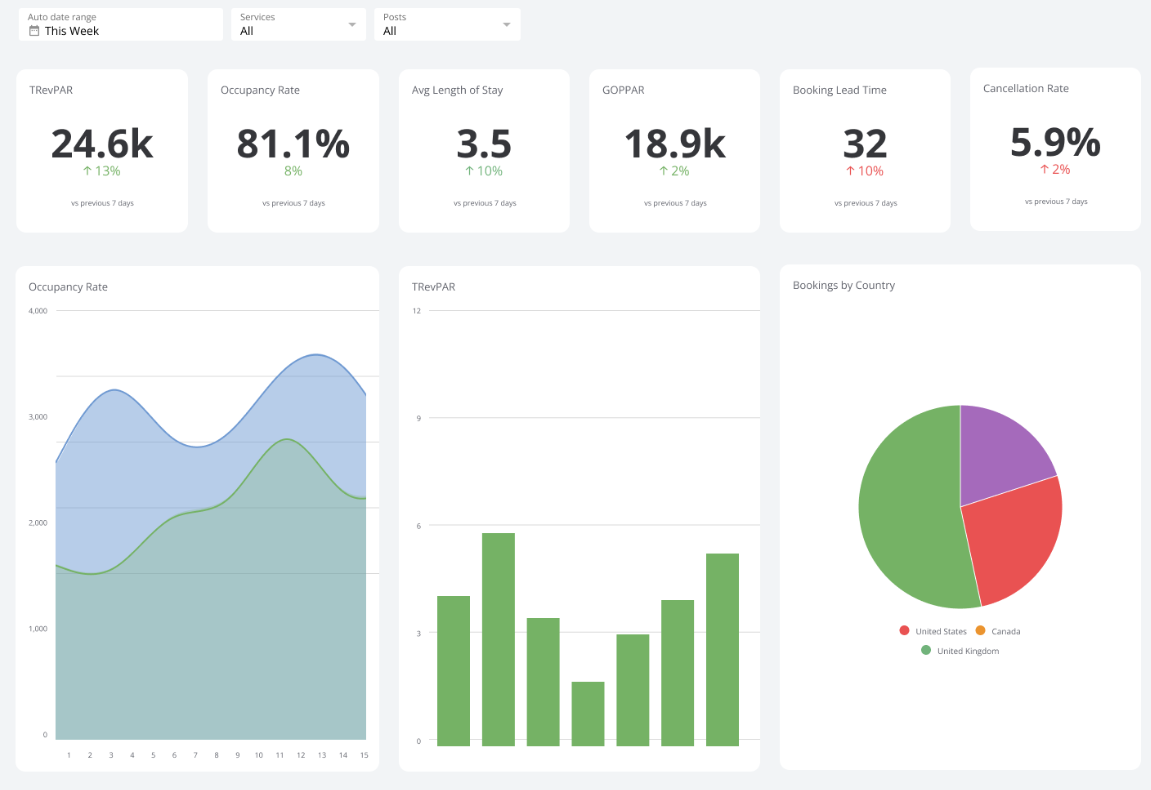
The combined impact of these improvements led to measurable business growth. Bookings increased significantly, while occupancy rates became more consistent across seasonal fluctuations. Additionally, reduced reliance on paid advertising contributed to improved overall profitability.
9.2 Reduced Dependence on Paid Channels
With stronger organic visibility and improved search rankings, the contribution of paid channels declined. This enabled more efficient allocation of marketing budgets and reduced customer acquisition costs over time demonstrating the effectiveness of a white label agency partnership services approach.
9.3 More Stable Growth Pattern
The business transitioned from irregular performance spikes to a more predictable and stable growth trajectory. This consistency improved planning, forecasting, and long-term decision-making.
9.4 Better User Experience
User engagement improved notably, reflected in lower bounce rates and higher session durations. These changes indicate a more intuitive and effective website experience aligned with user intent.
9.5 Stronger Brand Perception
The brand experienced increased credibility and visibility in its target market. This resulted in a rise in direct bookings, improved customer trust, and higher repeat engagement.
10. Consolidated Outcomes
-
Organic traffic contribution increased from 22% to 51%, significantly reducing reliance on paid acquisition channels and creating a stronger foundation for long-term growth.
-
Website conversion rates improved from 2.10% to 4.80%, enabling a greater proportion of visitors to progress from browsing properties to completing enquiries and bookings.
-
Monthly bookings grew from 162 to 540, demonstrating the combined impact of improved visibility, stronger user experience, and a more effective booking journey.
-
Qualified leads increased from 420 to 780, allowing the business to focus on prospects with stronger booking intent rather than simply increasing enquiry volume.
-
Dependence on paid marketing channels decreased from 68% to 34%, lowering customer acquisition costs while strengthening ownership of direct customer relationships.
-
Bounce rates reduced from 62% to 38%, indicating a more engaging website experience with fewer users leaving before exploring available properties.
-
Average session duration increased from 1.2 minutes to 3.4 minutes, showing that visitors spent more time interacting with listings, property information, and booking-related content
11. Final Insights
This case clearly demonstrates that growth in property management is not just about acquiring more traffic, but about aligning visibility with intent, trust, and user experience. When these elements work together, businesses can transition from dependency-driven growth to a more sustainable and profitable model.
The transformation here was not driven by a single tactic, but by a systematic alignment of strategy, execution, and optimisation, proving that even existing assets when structured correctly can unlock significant growth.