




What Changed
For nearly a year, growth remained steady. Paid ads generated regular website visits, while organic traffic occasionally brought high-intent buyers searching for premium formal wear.
However, several shifts began affecting performance.
Price Competition
Competitors began offering lower-cost formal wear options through aggressive promotions and discounts. This increased price sensitivity among buyers and made comparison shopping more common.
Changing Purchase Behaviour
Customers began searching for specific requirements rather than general clothing terms. Instead of searching for formal shirts, they searched for:
- Custom business shirts
- Tailored office wear
- Premium cotton formal shirts
- Custom measurement shirts online
This showed a shift toward quality and fit-focused buying decisions.
Higher Purchase Caution
As professional buyers became more selective, they spent longer evaluating fabric quality, fit, and brand credibility before making a purchase. Although website engagement remained healthy, purchase conversions slowed, indicating hesitation during the final decision stage.
The Problem
Many people were visiting the website and exploring the custom shirts, but not all of them were completing their orders. The problem was not lack of interest, it was hesitation before making the final decision.
Buying customised shirts online is different from buying ready-made clothes. Customers need to feel confident about things like measurements, fabric quality, and how the final shirt will fit.
Even though the company already provided excellent tailoring and high-quality fabrics, these strengths were not clearly explained on the website. Because of this, some visitors browsed the products but delayed placing an order.
To understand where customers were hesitating, we reviewed different parts of the online experience.
User Behaviour
- Observed how visitors moved through the website
- Identified where users stopped during the measurement process
- Compared behaviour between mobile and desktop users
Search Trends
- Studied what people were searching for when looking for custom shirts
- Identified keywords related to tailored business clothing
- Reviewed how competing tailoring brands were presented online
Purchase Journey
- Analysed how visitors interacted with product pages
- Checked where customers left before completing checkout
- Compared marketing costs with completed sales
Brand Messaging
- Reviewed how the website explained fabric quality and tailoring expertise
- Checked whether the customization process was easy to understand
The brand already had strong craftsmanship and quality products. However, the website did not clearly explain these advantages, which caused hesitation before customers placed an order. In such cases, a clothing brand marketing agency focuses on clarifying product value and improving the customer decision journey.
What We Improved
A. Clarifying the Brand’s Value
The brand messaging was shifted away from price-based positioning. Instead of highlighting affordability, the focus moved toward precision tailoring and premium craftsmanship.
The new positioning emphasised:
- Perfect-fit garments
- High-quality fabrics
- Tailoring expertise
- Professional appearance
Product pages were redesigned to better explain:
- The customization process
- Fabric options and durability
- The benefits of tailored clothing over ready-made garments
This helped customers understand the true value of personalised apparel.
| Metric | Before | After |
|---|---|---|
| Product Page Engagement Rate | 52% | 74% |
| Average Time on Product Page | 2m 12s | 3m 41s |
| Add-to-Cart Rate | 18% | 29% |
| Visitor Trust Indicators (Reviews, Fabric Info Clicks) | Low Interaction | Strong Interaction |
| Visitor-to-Purchase Conversion | 1.70% | 2.90% |
B. Simplifying the Customisation Process
One major barrier was the complexity of submitting measurements and selecting customization options.
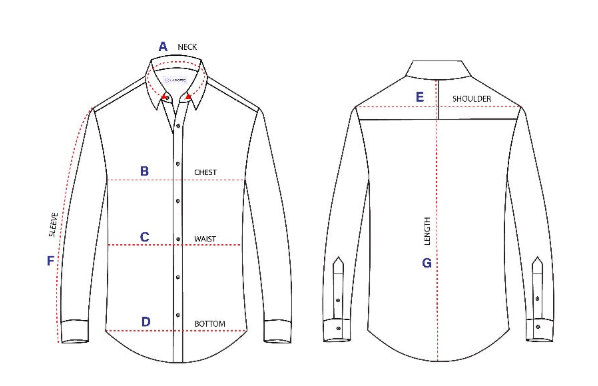
The buying process was simplified by:
- Reducing measurement input steps
- Introducing guided customization forms
- Providing visual guides for measuring correctly
- Placing FAQs near purchase buttons
- Improving website speed and navigation
| Metric | Before | After |
|---|---|---|
| Customization Steps | 8 | 4 |
| Page Load Speed | 5.1s | 2.3s |
| Mobile Checkout Completion | Low | Significantly Improved |
| FAQ Visibility | Hidden | Near Purchase Buttons |
C. Optimising Paid Advertising
Advertising campaigns were redesigned to target specific buyer intent groups. Instead of promoting all products through general ads, campaigns focused on distinct categories such as:
- Custom business shirts
- Premium cotton formal wear
- Corporate dress shirts
- Tailored garments for professionals
Each ad group directed visitors to a relevant landing page, ensuring that the message matched what customers were searching for. This approach improved both traffic quality and purchase intent.
| Metric | Before | After |
|---|---|---|
| Paid Ad Click-Through Rate | 2.40% | 4.90% |
| Sales-Qualified Visitors | 21% | 46% |
| Paid Campaign Conversion Rate | 1.60% | 3.20% |
| Revenue from Paid Traffic | Baseline | 0.72 |
D. Strengthening Organic Visibility
The website’s SEO strategy was redesigned to position the brand as an authority in custom professional clothing.
Key improvements included:
- Creating content around shirt fit guides
- Publishing fabric education pages
- Developing style guides for professionals
- Optimising product pages for search intent
Technical improvements were also implemented, including faster page loading, improved internal linking, and better structured data. Over time, search engines began recognising the brand as a specialist provider of tailored garments. These improvements are frequently implemented by a clothing brand marketing agency when improving search visibility for premium clothing brands.
| Metric | Before | After |
|---|---|---|
| Monthly Organic Visitors | 7,800 | 14,200 |
| Non-Branded Keyword Rankings | 12 | 39 |
| Average Organic Session Duration | 1m 58s | 3m 07s |
| Organic Conversion Rate | 1.40% | 2.80% |
| Organic Revenue Contribution | 22% | 41% |
E. On-Page Optimisation
In addition to marketing and SEO improvements, several on-page enhancements were implemented to improve clarity, trust, and the overall buying experience.
Key improvements included:
- Clear explanations of fabric quality and shirt craftsmanship
- Visual guides explaining the measurement and customization process
- Comparison sections highlighting benefits of tailored shirts over ready-made garments
- Trust signals such as customer reviews and fabric details near purchase sections
- Improved product page structure for easier navigation on mobile and desktop
These updates helped visitors quickly understand product quality, customization options, and fit benefits, reducing hesitation and improving purchase confidence.
F. Customer Retention Improvements
Because custom garments often lead to repeat purchases, retention became a key focus.
The brand implemented:
- Post-purchase follow-up emails
- Fabric care guidance messages
- Style recommendation emails
- Loyalty rewards for repeat buyers
- Personalised product suggestions
| Metric | Before | After |
|---|---|---|
| Repeat Purchase Rate | 19% | 34% |
| Email Campaign Open Rate | 18% | 36% |
| Customer Lifetime Value | £148 | £236 |
| Returning Customer Revenue | 27% | 48% |
| Loyalty Program Participation | Not Implemented | 31% of Customers |
Consolidated Outcomes (8 Months)
- Revenue increased by 95%.
- Conversion rate improved by 1.9x.
- Organic visibility expanded significantly.
- Paid dependency reduced as organic authority strengthened.
- Sales became more stable and predictable.
- Customers showed higher confidence in customization and fit.
| Consolidated Outcomes (8 Months) | |
|---|---|
| Performance Area | Outcome Achieved |
| Revenue Growth | Increased by 95% |
| Conversion Rate | Improved by 1.9× |
| Organic Visibility | Significant growth |
| Paid Dependency | Reduced |
| Revenue Stability | Improved |
| Purchase Predictability | More consistent |
| Customer Quality | Higher purchase readiness |
Final Insights
- The client was not struggling with product quality. Fabric selection and customization expertise were already strong.
- The main challenge was digital positioning and building customer confidence online.
- Modern buyers are not simply purchasing shirts; they are investing in fit, comfort, and a professional appearance.
- The messaging was shifted to highlight craftsmanship, customization, and perfect-fit assurance.
- This change helped increase customer trust and clarity about the product’s value.
- Once the buying journey matched customer expectations, performance became more stable and predictable.