



Understanding the Enquiry Pipeline
To understand the issue more clearly, the enquiry pipeline was analysed across three stages.
| Renovation Enquiry Pipeline | |
|---|---|
| Pipeline Stage | Description |
| Visitor → Enquiry | Homeowners researching renovation services |
| Enquiry → Consultation | Visitors requesting project discussions |
| Consultation → Project | Qualified leads confirming renovation projects |
While traffic remained stable, the pipeline showed inconsistent progression between stages.
| Pipeline Conversion | |
|---|---|
| Pipeline Stage | Conversion Rate |
| Visitor → Enquiry | 1.10% |
| Enquiry → Consultation | 42% |
| Consultation → Project | 34% |
The analysis revealed that the weakest stage was enquiry → consultation. Many enquiries lacked serious project intent.
Identifying the Core Issue

Further analysis showed that homeowner behaviour had changed significantly. Visitors were no longer submitting enquiries immediately after discovering renovation companies.
Instead, they were spending more time researching:
- Renovation timelines
- Potential construction disruptions
- Renovation costs
- Contractor reliability
Many visitors explored project galleries and service pages but left before submitting enquiries. Improving how renovation services were communicated online often requires repositioning the brand clearly, something many companies address with the help of a home renovation branding agency.
| Visitor Behaviour Analysis | |
|---|---|
| Behaviour Metric | Observation |
| Average session duration | 3.4 minutes |
| Page views per session | 4.2 pages |
| Scroll depth | Medium |
| Enquiry form completion | Low |
| Mobile bounce rate | 53% |
Strategic Improvements
The goal was not simply to increase enquiries. The objective was to stabilise the renovation enquiry pipeline by helping visitors move more confidently from research to consultation.
A. Clarifying the Renovation Process
Many homeowners hesitate because renovation processes appear complex and unpredictable. To address this, the website introduced clear explanations of the renovation process.
New content included:
- Step-by-step renovation timelines
- Project planning stages
- Construction phase explanations
- Expected homeowner involvement during renovations
These additions helped visitors understand how renovation projects would progress from consultation to completion.
B. Improving Enquiry Conversion Flow
The enquiry process was simplified to reduce friction.
| Website Conversion Improvements | ||
|---|---|---|
| Metric | Before | After |
| Enquiry Form Fields | 8 Fields | 3 Fields |
| Form Structure | Single Page | Multi-Step |
| Page Speed | 4.3 seconds | 2.0 seconds |
| CTA Visibility | Moderate | High |
These adjustments made it easier for interested visitors to begin conversations with the renovation team.
C. Paid Campaign Refinement
Paid campaigns were reorganised around specific renovation intent.
Campaign categories included:
- Kitchen remodeling projects
- Bathroom renovations
- Full home renovation searches
- “Home renovation contractor near me”
Each campaign directed users to landing pages tailored to the specific renovation type.
| Paid Campaign Performance (5 Months) | ||
|---|---|---|
| Metric | Before | After |
| Click Through Rate | 3.60% | 5.00% |
| ROAS | 2.2x | 3.7x |
| Consultation Bookings | Moderate | High |
D. Strengthening Organic Visibility
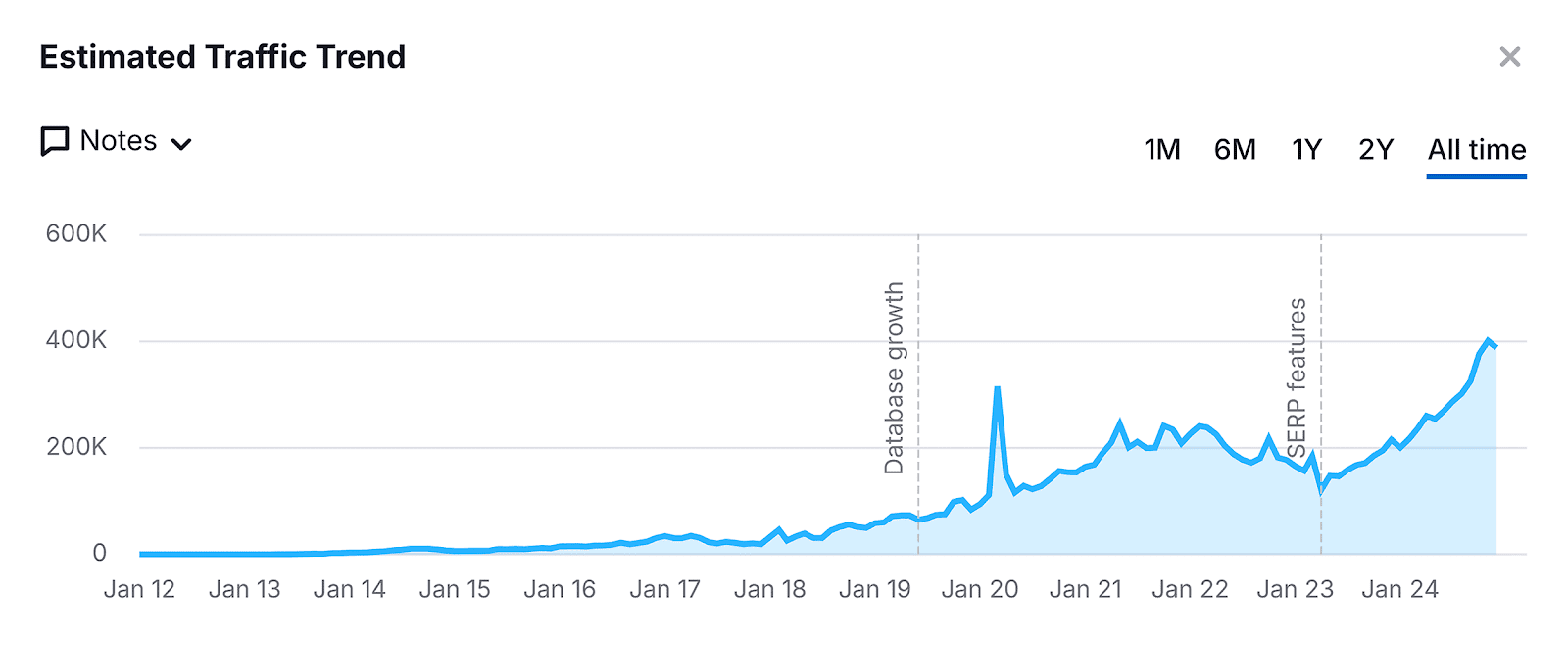
Instead of publishing general construction blogs, the website developed renovation-focused content clusters supported by structured on-page optimisation improvements. The objective was to improve both search visibility and user clarity by aligning content with the questions homeowners typically ask before starting renovation projects.
| Content Expansion Strategy | |
|---|---|
| Content Type | Purpose |
| Renovation cost guides | Address budget concerns |
| Renovation timeline pages | Explain project duration |
| Planning permission guidance | Answer regulatory questions |
| Renovation preparation guides | Help homeowners plan projects |
| Organic Performance (6–7 Months) | |
|---|---|
| Performance Area | Result |
| Organic Traffic | 1.39 |
| Top 10 Keyword Rankings | 29 |
| Organic Enquiries | 2.1x increase |
| Paid Dependency | Reduced |
E. Trust & Credibility Improvements
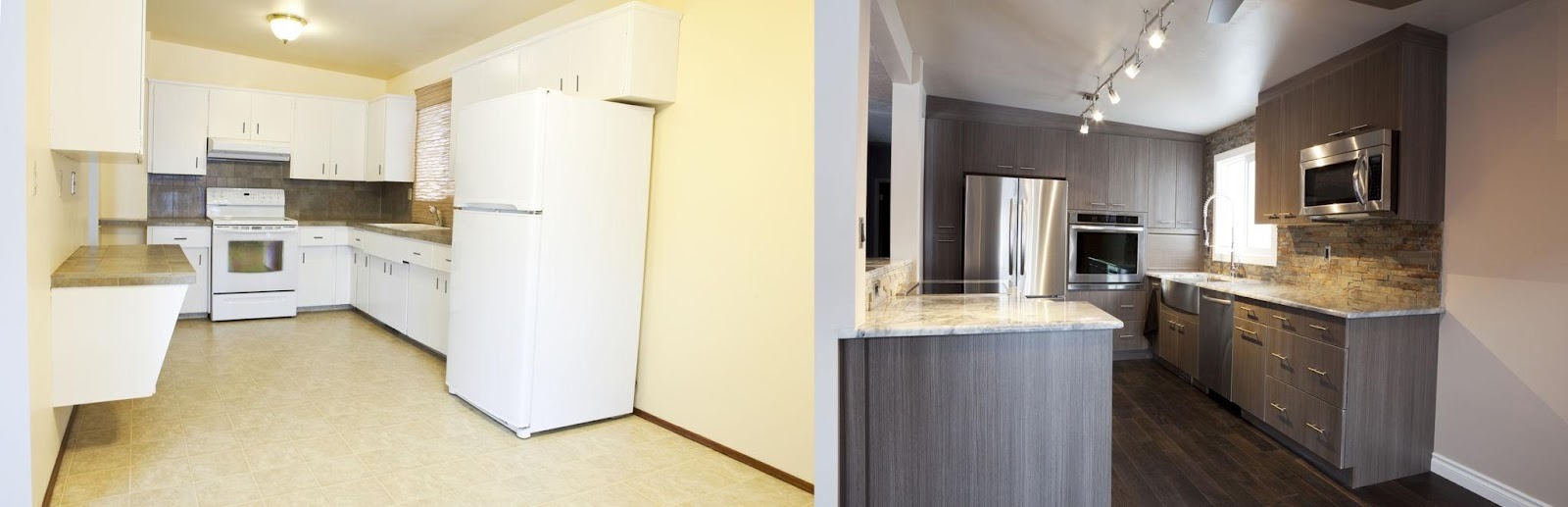
Renovation projects involve large financial commitments. To build trust before enquiry submission, several credibility signals were introduced:
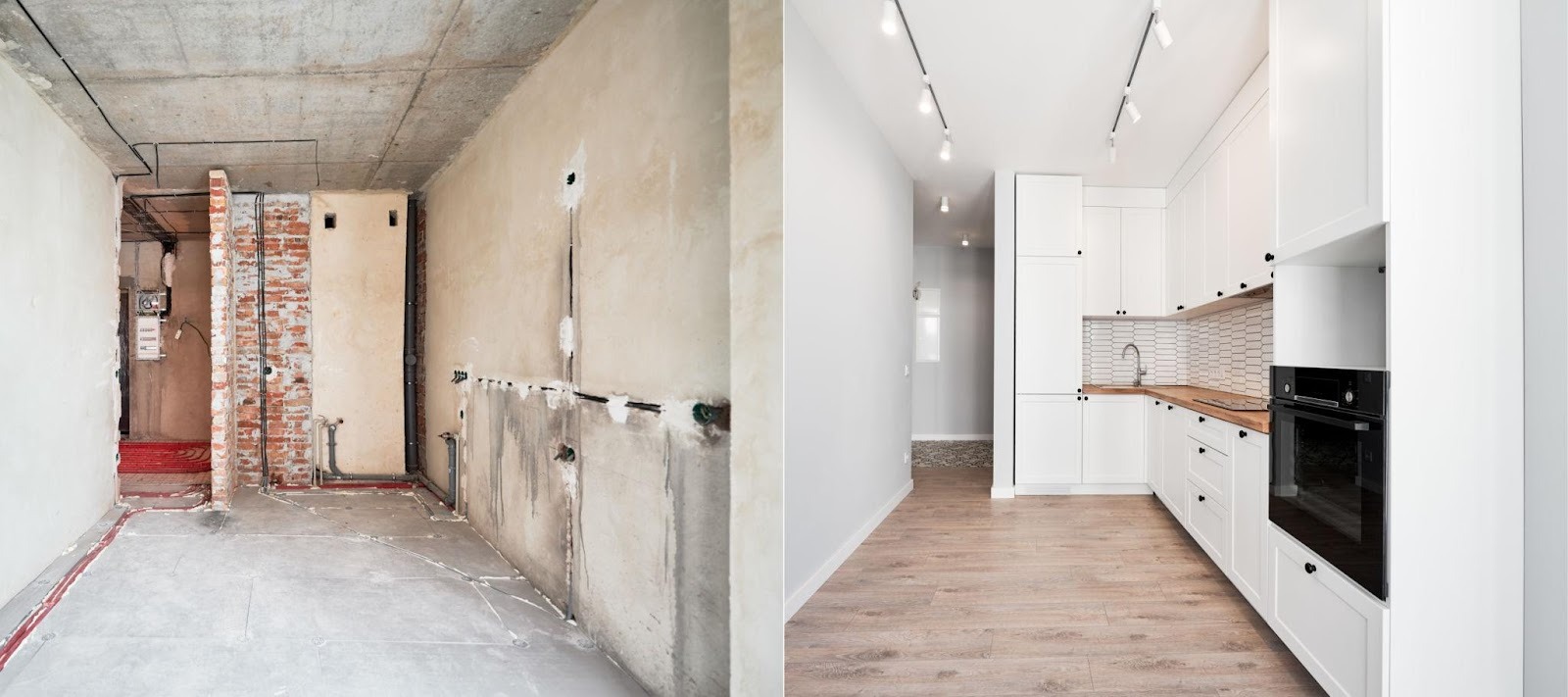
- Before-and-after renovation galleries
- Detailed project case studies
- Client testimonials describing renovation experiences
- Visual renovation timeline explanations
These additions helped homeowners evaluate the company’s expertise before requesting consultations.
Pipeline Outcomes (8 Months)
| Enquiry Pipeline Improvement | ||
|---|---|---|
| Pipeline Stage | Before | After |
| Visitor → Enquiry | 1.10% | 2.30% |
| Enquiry → Consultation | 42% | 61% |
| Consultation → Project | 34% | 44% |
| Enquiry Pipeline Growth | ||
|---|---|---|
| Month | Enquiries Before | Enquiries After |
| Month 1 | 50 | 58 |
| Month 3 | 47 | 71 |
| Month 5 | 52 | 83 |
| Month 8 | 49 | 96 |
The enquiry pipeline became significantly more predictable, enabling the renovation company to plan project schedules more effectively.
Final Insights
- The renovation company already had strong craftsmanship and project delivery capability.
- The issue was not construction expertise.
- The real challenge was how renovation enquiries progressed through the digital pipeline.
- Once the website began guiding homeowners through a clearer renovation journey and providing reassurance before the enquiry stage, the enquiry pipeline stabilised.
- Qualified leads began moving more consistently from
visitor → enquiry → consultation → confirmed project.
This resulted in:
- Improved consultation quality
- More predictable project planning
- A stable pipeline of renovation enquiries.